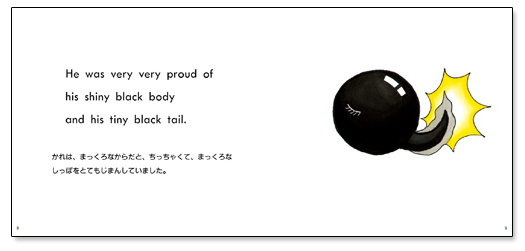
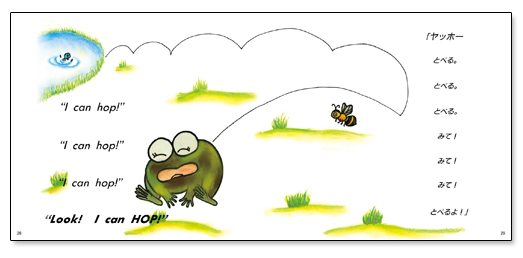
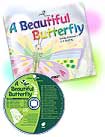
A little tadpole was proud of his dark body and tail.
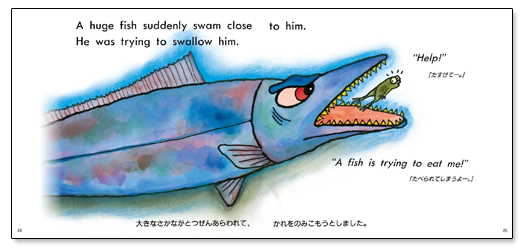
One day, the little tadpole suddenly grows hands and feet, and his precious tail disappears, leaving him a not-so-pretty-colored frog… “I’m not pretty anymore… I’m not pretty anymore… I hate my friends, I hate everyone. I hate my friends, I hate everyone, and I hate myself! Through various experiences, the frog gradually regains his self-confidence. In the end, he comes to accept his “now” and says, “I may not be very good-looking, but… I’m pretty good-looking.
■Written and illustrated by Mikiko Nakamoto
A4 size, 40 pages, all color, with English and Japanese audio QR
Includes the song “Tomodachi dakara ‘Cause You’re My Friend

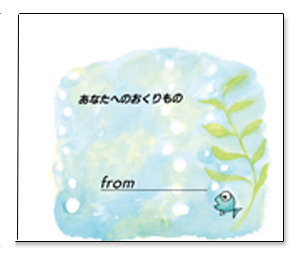 |
p.1:You can write the name of the person you wish to give the book to. |
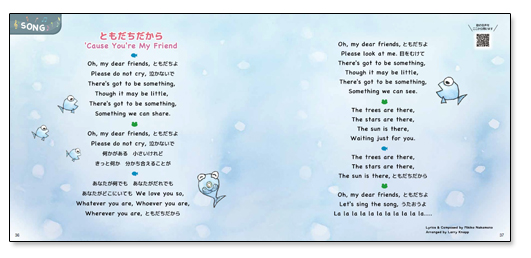 |
Song at the end of the book, “Tomodachi dakara” (Because we are friends): A reprinted version of the song has been added to the page with a song about the importance of companionship, friends, and family. |
| We present this picture book to all generations of people, including children who will lead the future, young people of today, and adults. |
 |
I am proud of myself Story leading to the publication of the reprinted edition
In the course of working with children for a long time as an English teacher, the author became concerned that many students would respond, “I have nothing good to say about myself,” when asked to write about their good qualities. It was published in 1997 as a commemorative publication for the 15th anniversary of the English conversation school run by the author. It was published in 1997 as a commemorative publication for the 15th anniversary of the English conversation school run by the author himself. The book gained popularity as a gift book for English schools, elementary schools, university lectures on psychology, and as a gift for loved ones. In response to numerous requests for a reprint, the book was published by Apricot Press in June 2023. |
The response has been so positive that we have once again made it into a picture book! Here are some of the feedback we have received so far!
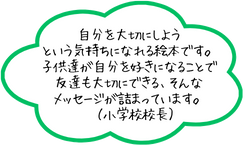
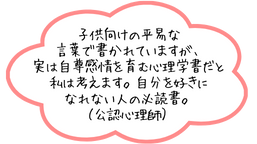
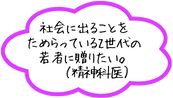
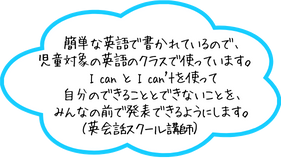
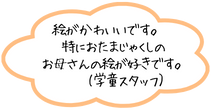
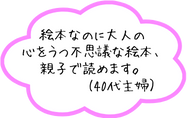
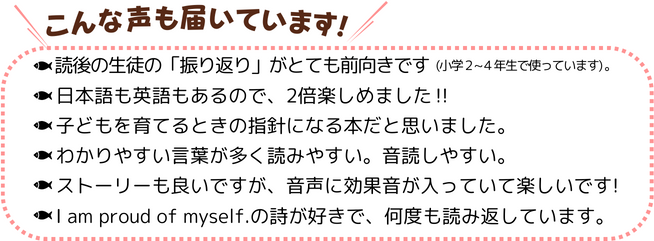
A picture book that builds self-esteem, published by Apricot Publishing.



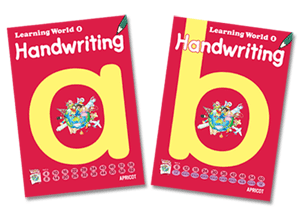
Learning World 1
Handwriting has been published. Will Handwriting product for Book 2 and Book 3 be published also?
Handwriting (Book 1) was published as a writing workbook for the first and the second grade of Elementary students.
1 ”WELCOME to Learning World”(PINK, YELLOW, BLUE) will build vocabulary and basic expression.
2 At the beginning of “Book 1”, start tracing and writing. Getting used to writing will guide to word familiarity.
For learners of “Book 2” or “Book 3”, students already have 5 or 6 years of experience. At this stage they write sentences and words in a notebook, instead of tracing.
★Notebook 10 lines (Blue)
https://www.apricot-plaza.co.jp/products/60140
★Notebook 13 lines (Purple)
https://www.apricot-plaza.co.jp/en/products/60150
Although we recommend to use a notebook for “Books 2” learners, we have been receiving requests for Tracing “Workbook for Book 2” or “READY for Learning World”. We may publish them in the future depending on the requests and the needs.
*”Book” 1 also has a Workbook and adding Handwriting for homework might be too much? – Not quite! A school tried using “Handwriting” and “Workbook” homework (in “Book 1” class with 300 students in total) for one year and received positive feedback from parents.
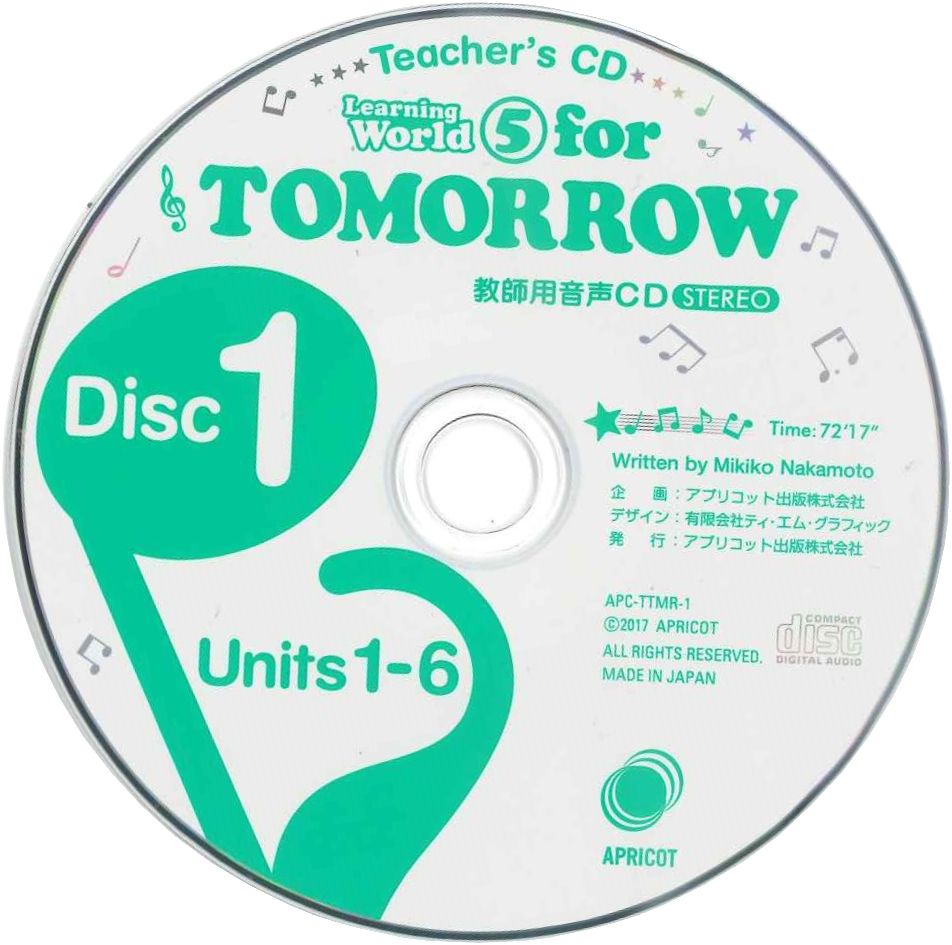
Learning World 5 TOMORROW Teacher’s CDs.
All the audio you need to teach TOMORROW!
Disc 1: Units 1-6
Disc 2: Units 7-10
We listened to your feedback…
Each Unit Listening Test is after the audio for the rest of the unit.
* Based on feedback that the Listening Tests for Books 1,2,3 were too easy, the audio is recorded at a natural speed and includes 30 minutes of audio.
Class CDs include all of the audio needed to teach TOMORROW.
Student CD audio PLUS:
・ Grammar Point audio (from Unit 5-3)
・ All stories (3) with pauses
・ All dialogues (6) with A part only and B part only (for practice)
・ Supplement: irregular verbs (100) said to a rhythm
・ Listening Test audio (at the end of each unit, not grouped together)
・ More challenging rhythm (with and without words) for verbs (pages 25 & 27)


(Click to enlarge image)
※ The Teacher’s CDs are also available as part of the Learning World 5 TOMORROW (2nd) Teacher’s Materials Set.
From Macmillan Education Australia, the PRIMARY PUBLISHER OF THE YEAR 3 years in a row, comes this fantastic literacy program: Springboard. It is designed for children who are considered “at risk” for reading. In order to engage children who may not like to read, the content is varied and interesting, and the language starts very simple, gradually getting harder.
Sold in level packs, each level pack has 8 books: 3 factual and 5 fiction.
*Oct 1, 2023 price revision: ISBN also changed.
Click here for details.
■ Published by: Macmillan Australia
(Printed in Japan)
- 8 book set (a~h) / size: 18.2 x 14.8 cm / Full color
- Pages per book: 16 pages
- Words per book: about 105 words
- Sentences per page: 4 sentences
* The difference between Springboard Series and Apricot Springboard.
- There is no difference in the contents between them.
- The book size of Apricot Springboard is a bit smaller than Springboard Series by 5 mm-1 cm.
- The price of each title of Apricot Springboard is 300 yen higher than Springboard Series.
- Apricot Springboard is printed in Japan instead of overseas.
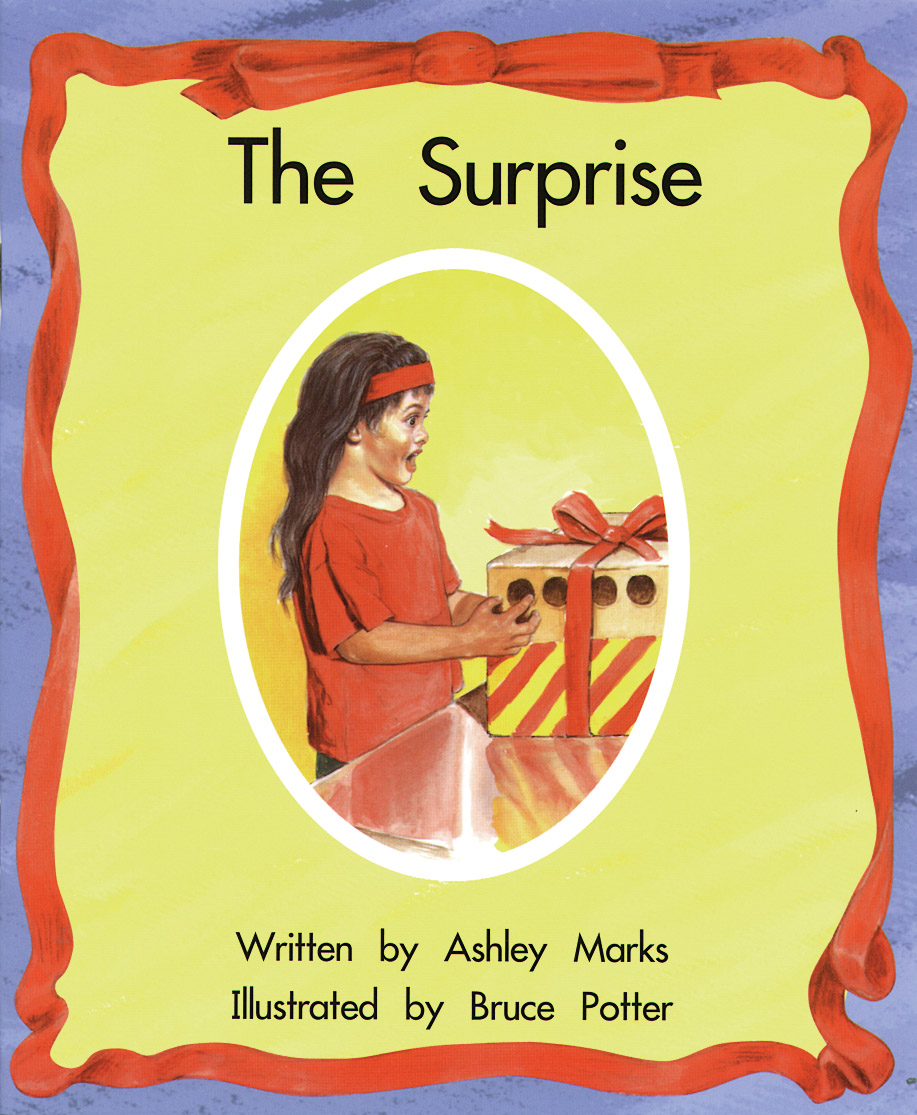
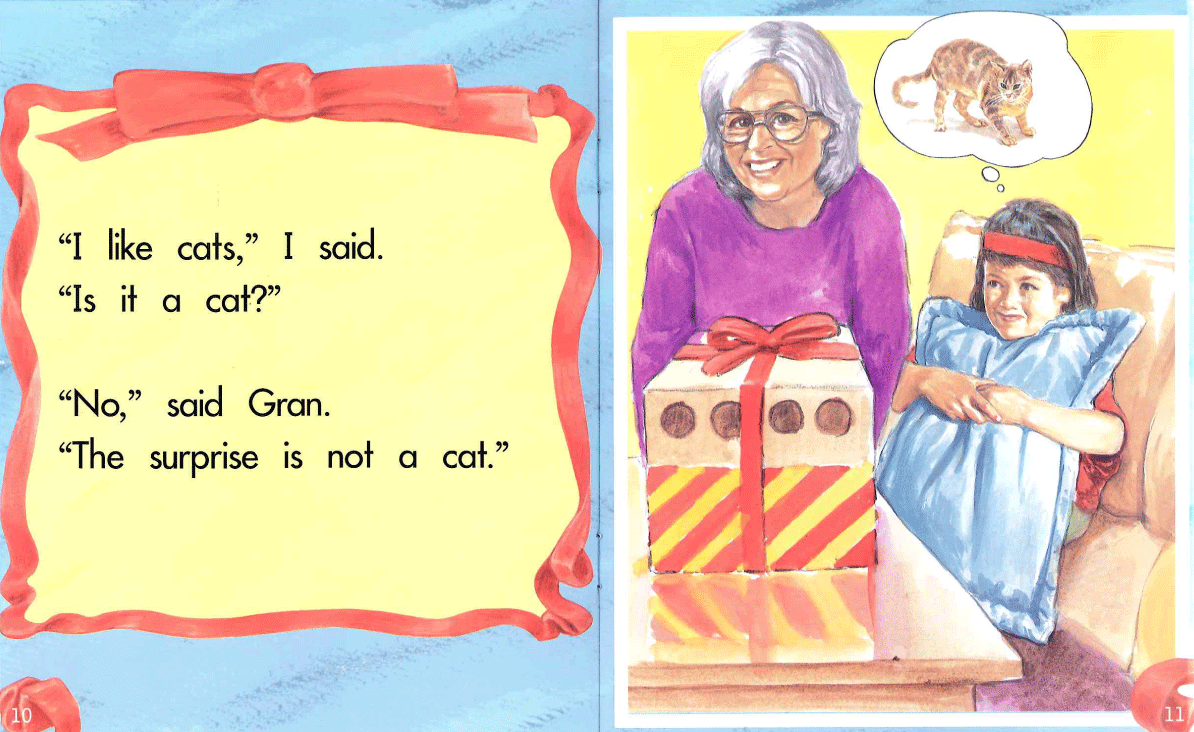
◆6-a The Surprise
This lovely story is about the surprise Grandma brings for Pip.
Word Count: 101
Text type: Literary Recount – realistic fiction
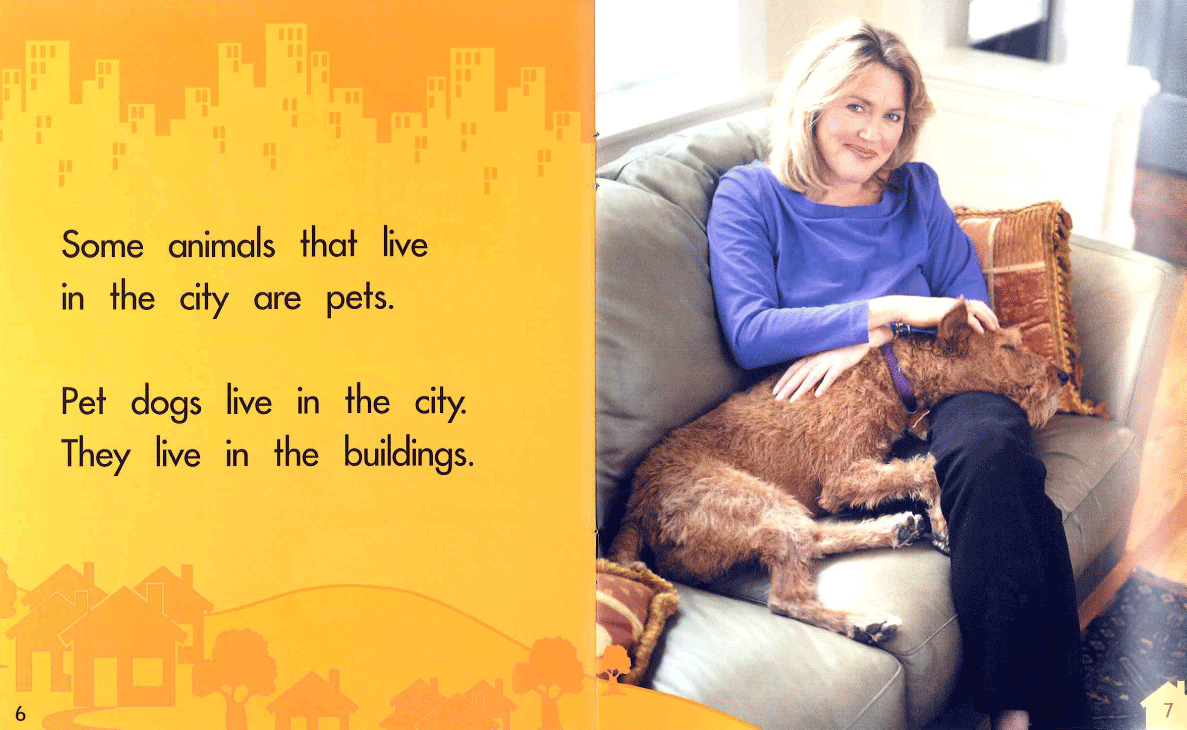
◆6-b Animals That Live in the City
Information about the different types of animals that live in the city.
Word Count: 105
Text type: Information report
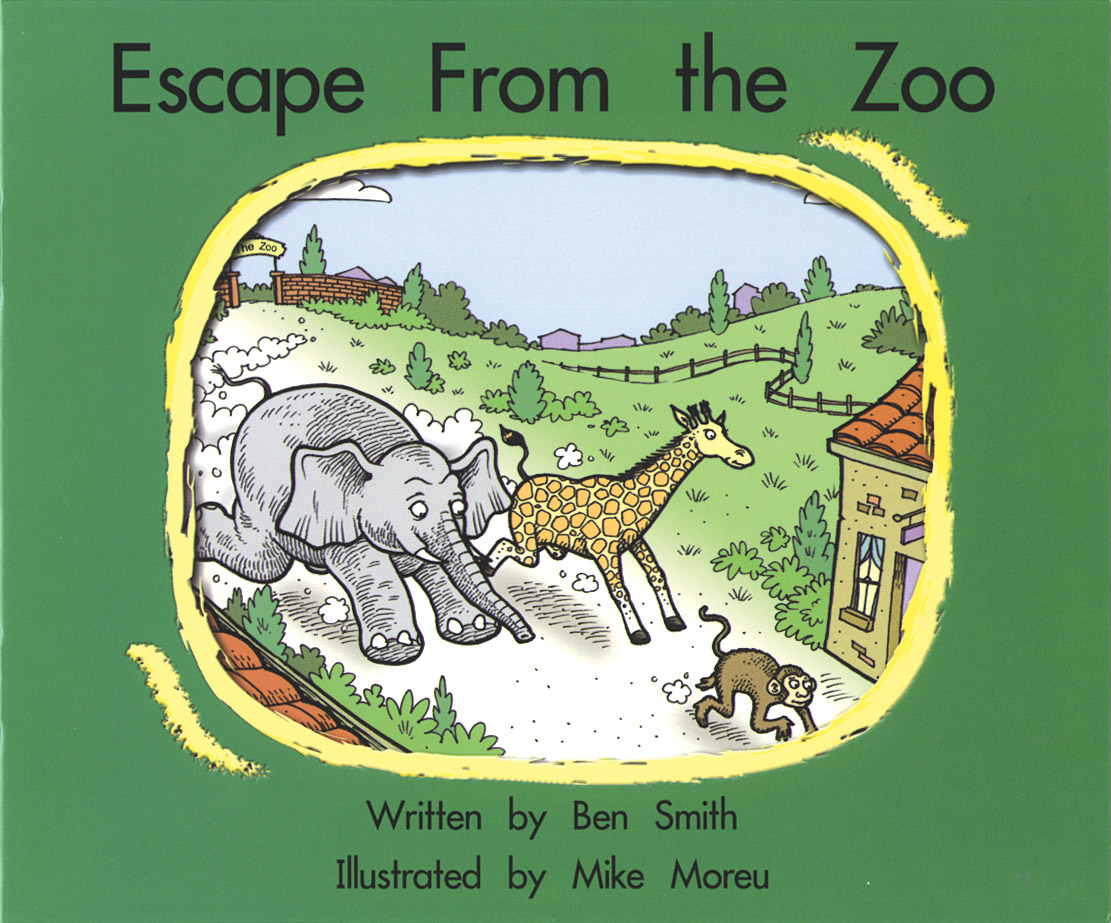
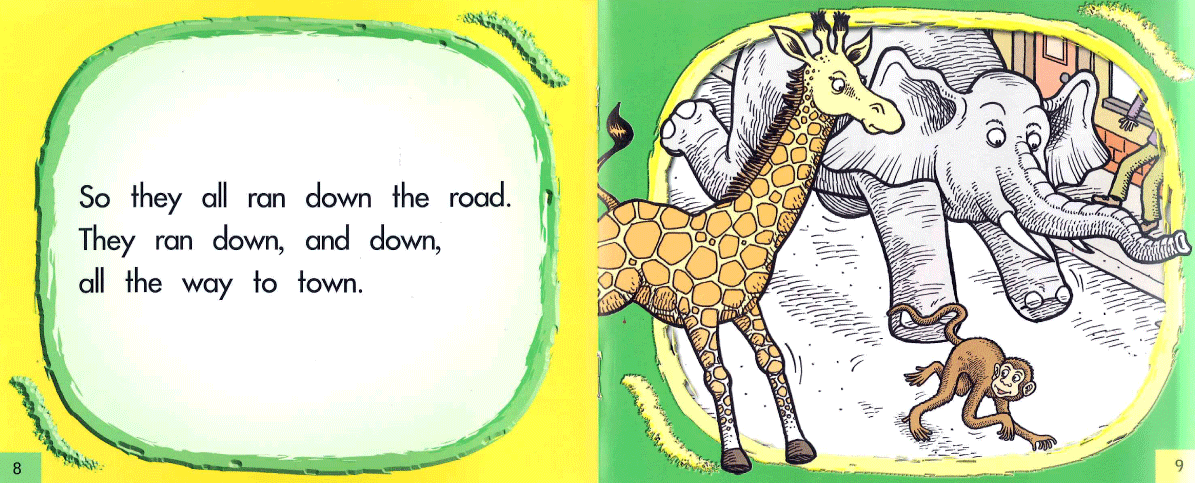
◆6-c Escape From the Zoo
An entertaining story on some animals who are friends and escape from the zoo.
Word Count: 108
Text type: Narrative – fantasy
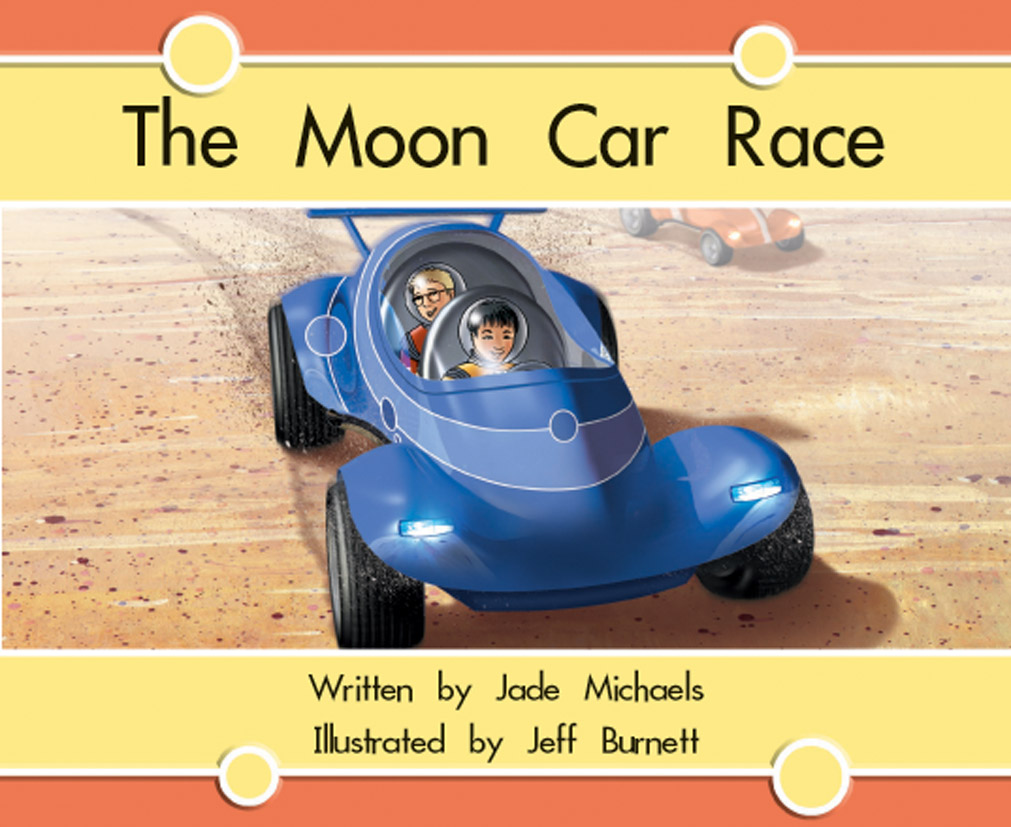
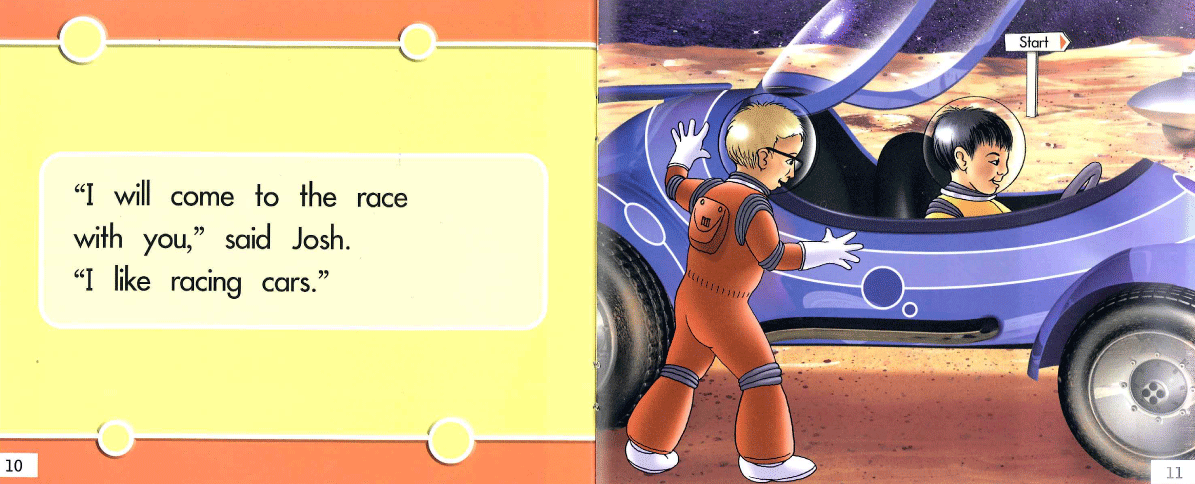
◆6-d The Moon Car Race
Two friends go to the moon to race their car.
Word Count: 107
Text type: Literary recount
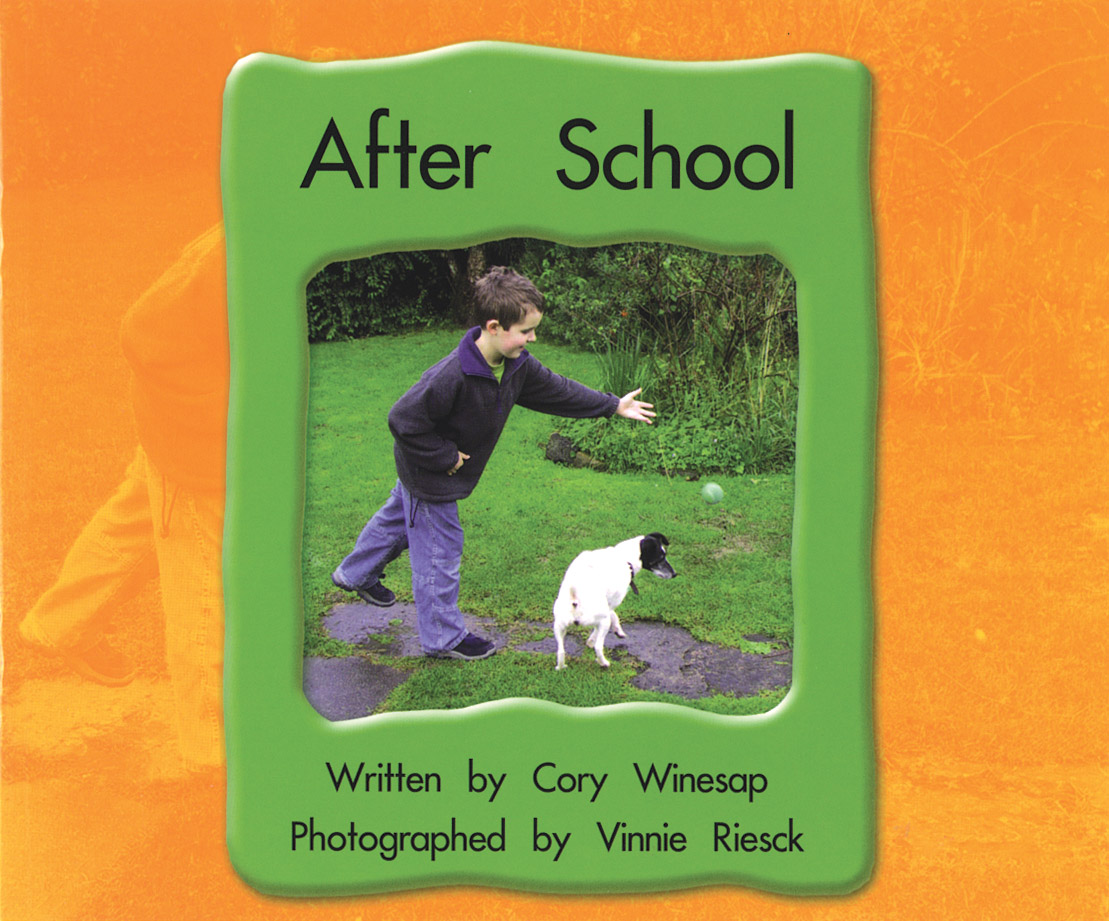
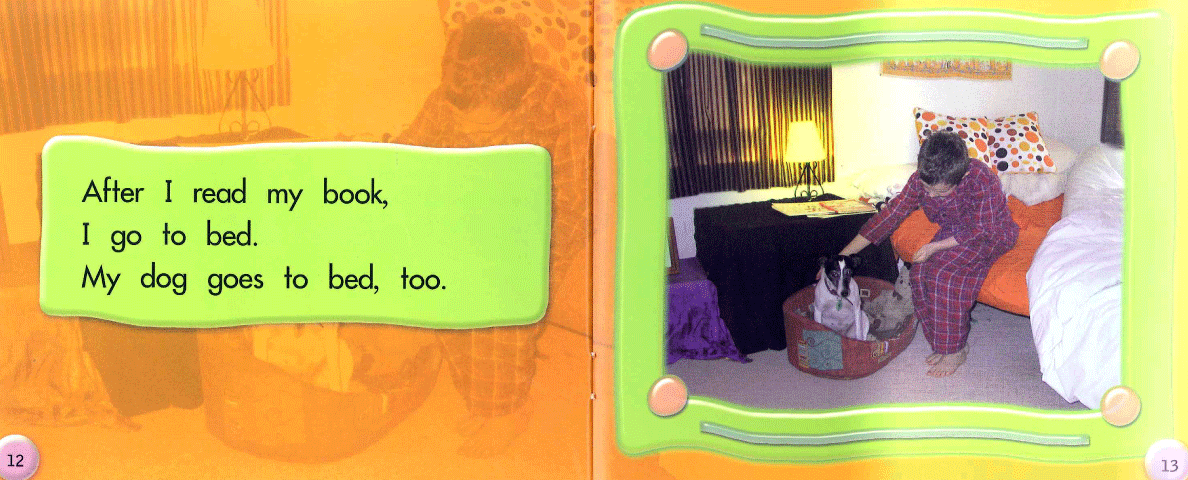
◆6-e After School
Describes the activities a little boy does when he comes home from school.
Word Count: 107
Text type: Factual recount
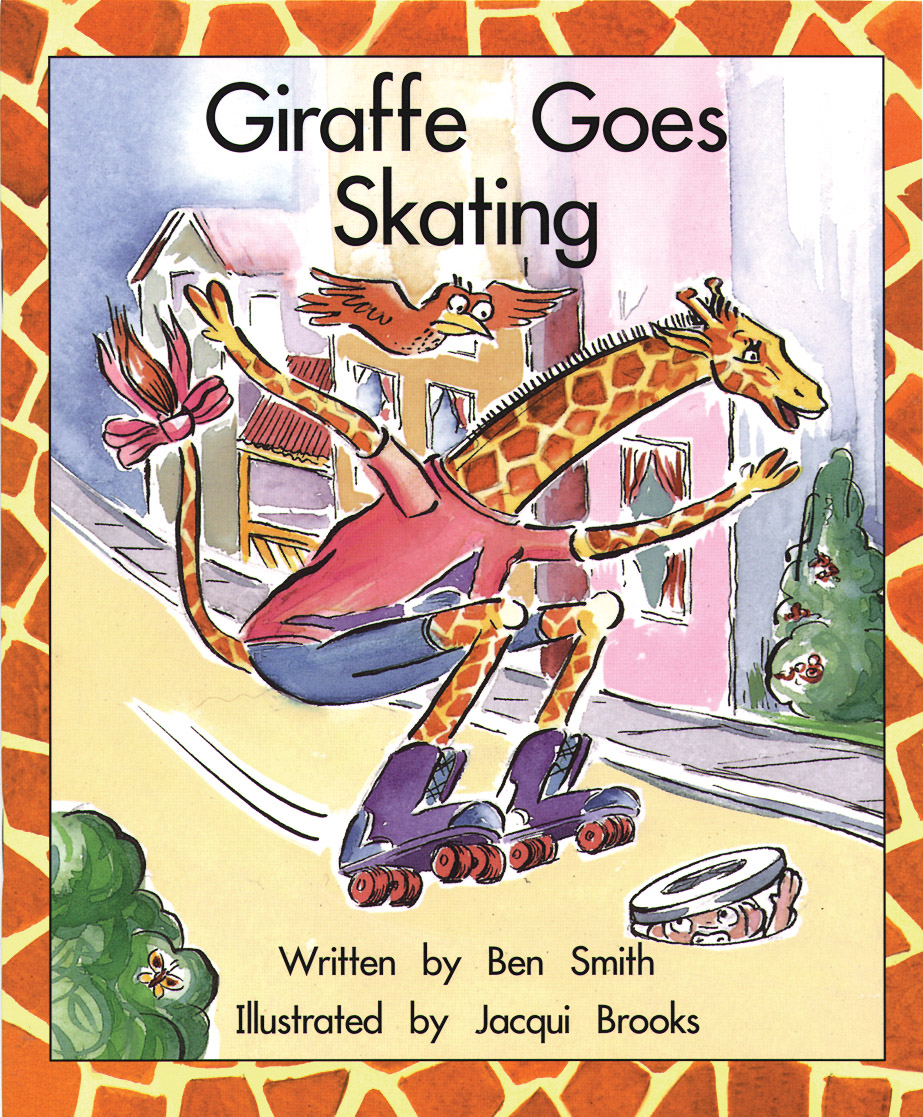
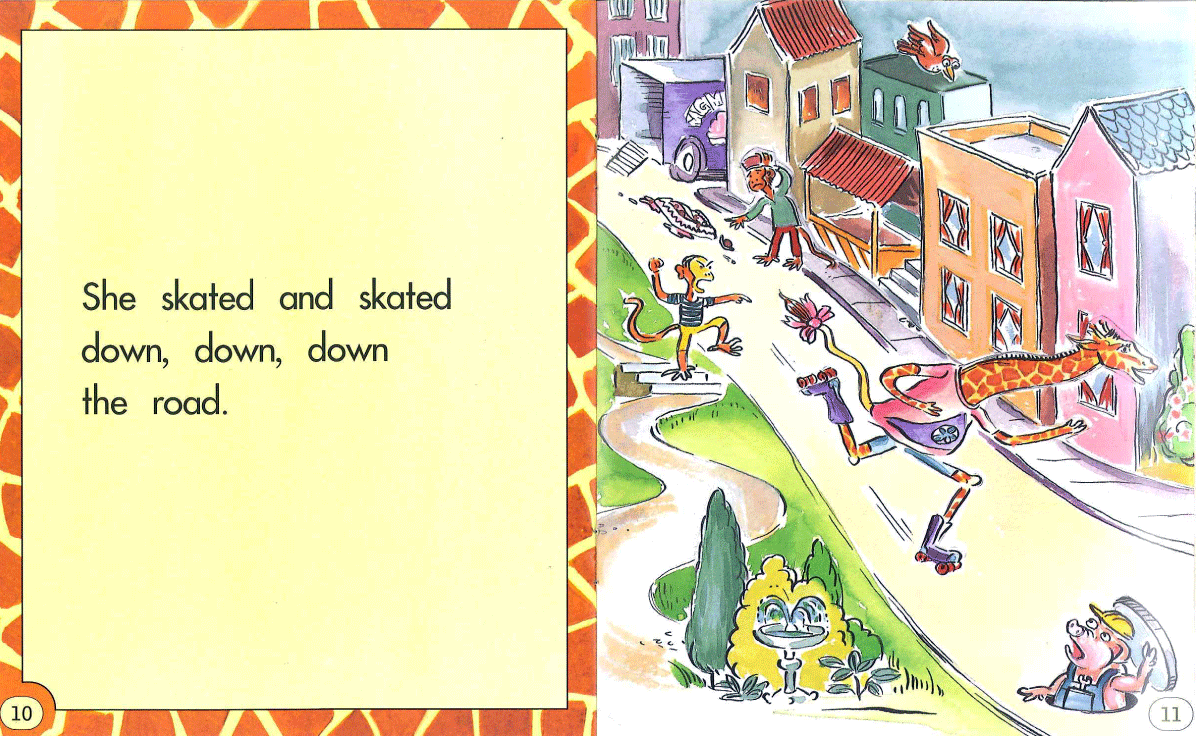
◆6-f Giraffe Goes Skating
An entertaining story about a giraffe who wants to go skating but won’t wear a helmet.
Word Count: 101
Text type: Literary recount
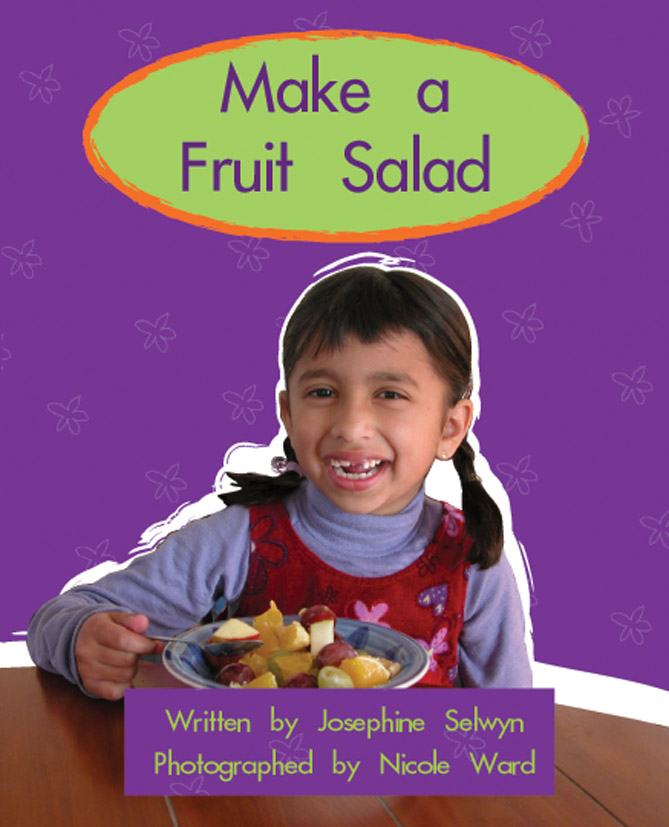
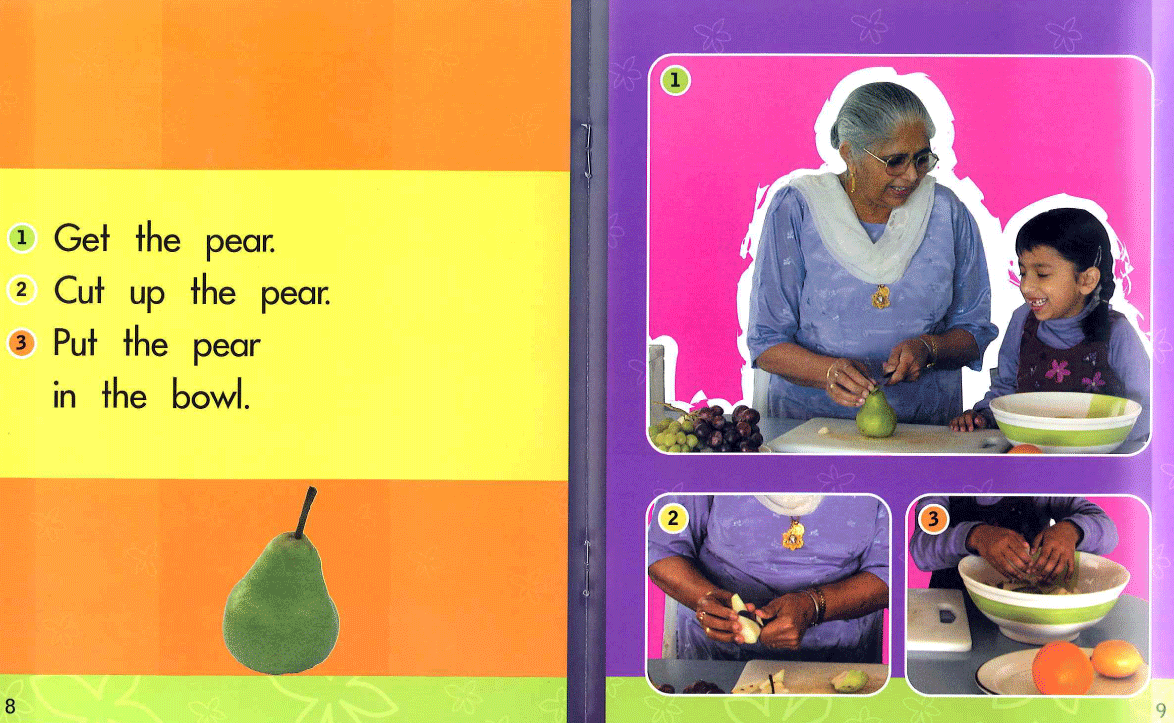
◆6-g Make a Fruit Salad
Step by step instructions on how to make a fruit salad.
Word Count: 102
Text type: Procedure
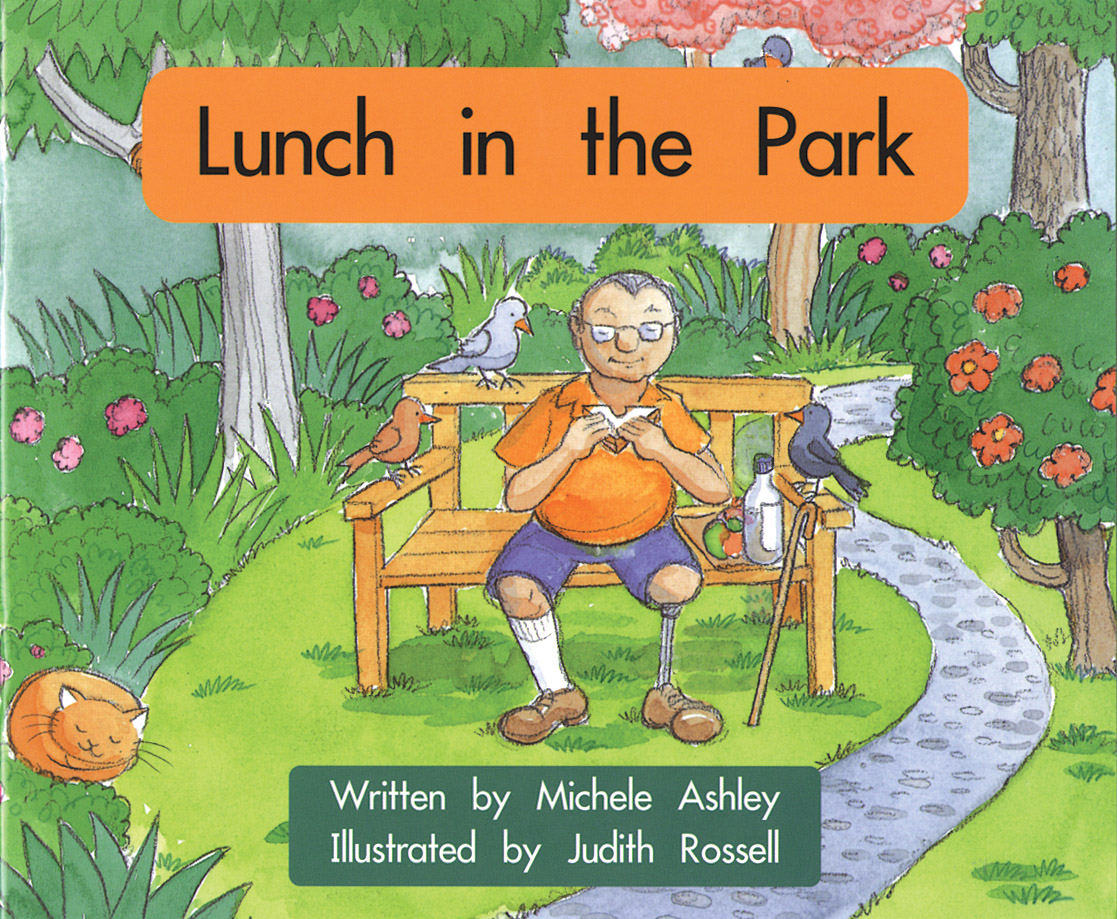
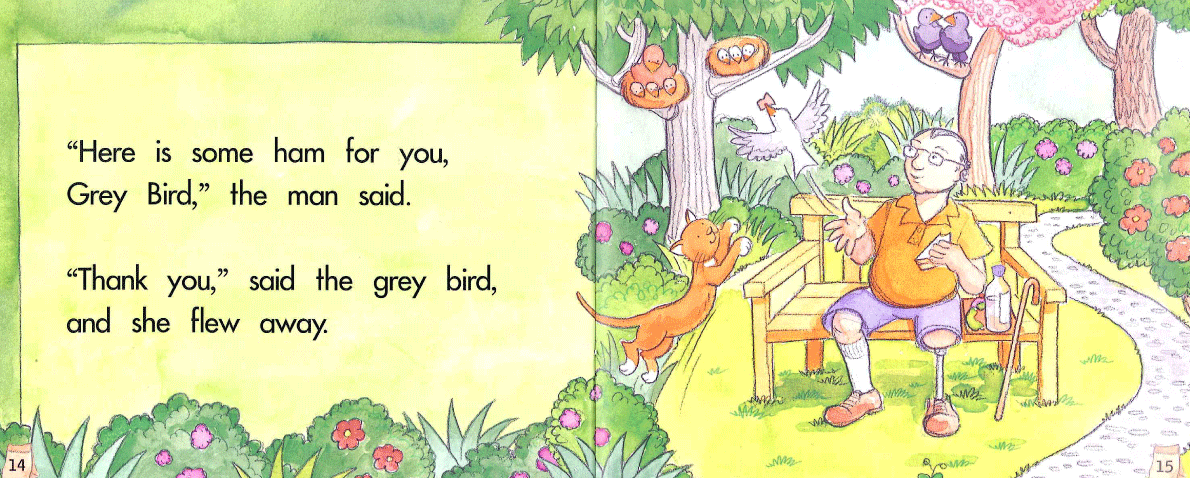
◆6-h Lunch in the Park
A lovely, simple story about a man who feeds the birds in the park when he goes to have lunch.
Word Count: 108
Text type: Narrative – realistic fiction
FREE Teaching Guides
You can download free teaching guides for the books. They include reduced-size pages from each book along with detailed instructions for using each book with a class.
The teaching guides also contain 2 worksheets per book! After reading the book, have the students do the fun worksheets which check comprehension and give reading/writing practice.
>>Downloadable Teaching Guides
It’s late March. A new school year is just around the corner.
As a teacher, I rarely give thought to my counterparts working away in the public junior high education system. We are “counterparts” in name only: “teachers”. But our work couldn’t be more different.
They teach English as a system to memorize for the purpose of passing tests, I teach English for the purpose of communication.
They teach English by and large in Japanese, I teach English in English.
My approach takes students’ self-esteem into deep consideration, their approach does not.
They give feedback to students’ efforts in the form of noughts and crosses on answer sheets, I give students the opportunity to self-correct problem areas, and all effort is good effort.
I take care to have my students feel success with English by having them actually use it, my junior high counterparts don’t.
And I’ll be frank; not only do I feel so very little in common with public junior English teachers, I often feel that much of their work goes against what I’m trying to achieve with my students.
Dwelling on our un-relationship is not productive for me so I don’t. However my students do on occasion bring our differences to my unwanted attention – especially when they discuss their tests and test scores. Consider the following end-of-term English “speaking test” as described to me by one of my 1st grade students…
In a one-on-one setting, a native-English teacher asked students a series of questions each of which were unrelated and to which there was no context. The questions were given in advance, and students were told previously they would be asked these very questions in the very same order. Students were required to memorize and produce the answers. Questions included “When is your birthday?” and “Which do you prefer, coffee or tea?”
During the test, if the student answered anything less than the memorized answer, it was considered incorrect. For example if the students answered “Tea” instead of “I prefer tea”, it was marked as incorrect. Similarly, if students answered “November 15th” or even “My birthday is November 15th” instead of “My birthday is on November 15th”, it was marked as incorrect. A total score out of 10 was calculated.
Now OK, I haven’t met or talked with the teachers who designed and conducted this test so I cannot know their thinking behind it. But I must say that I have some serious qualms about this test, particularly as it relates directly to students’ assessment of their speaking ability.
You would imagine that a “speaking test” would have some element of communication to it, but there was none here as the questions and their order were pre-given. The Monbukagakusho guideline of English education stipulates that its purpose is communication.
My student communicates in English well, but he spent valuable time before the test memorizing the petty detail to the answers his teacher wanted to hear. In the end, he lost a point because he forgot the word “on” in his birthday answer. (Incidentally, omitting “on” is NOT incorrect because “on” is only required when referring to something like a “meeting” or “appointment” which has a starting time and a finishing time: “My appointment is on November 15th.” Birthdays last the whole day so “on” is irrelevant. “My birthday is November 15th” is entirely acceptable.)
English tests like the one described here send a totally unhelpful message to our students. Instead of being a valuable and important tool for learning about others and sharing one’s ideas, English becomes a process of accurate recitation, of form over content, and the slightest technical error costs you marks. With English education like this, it’s no wonder that Japanese communication ability in English is low compared to nearly all countries where English is a foreign language.
It’s late March, and a new school year is just around the corner. So I call on my counterparts in the field of public education; instead of working against each other, let’s work more closely together. Let’s meet up with other English teachers in the community, join their teacher-development meetings and study groups. Let’s share perspectives on our students, their future and on the role of the English language within it. We are all teachers but currently we are doing disservice to our students and our profession. I believe that with cooperation we can work for our students more efficiently and effectively.
Hopefully too I may be able to have a conversation with my students about their school English education without cringing!
It was really, really good seeing so many teachers at the recent Learning World Workshops in Osaka, Nagoya and Tokyo.
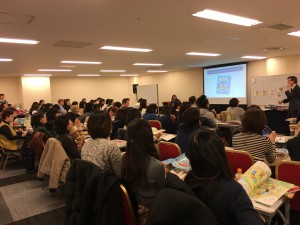 Osaka 2/28
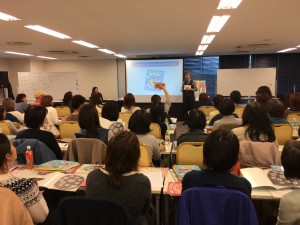 Nagoya 3/6
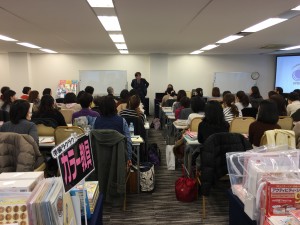 Tokyo 3/13
As a presenter, it’s exciting to see new faces. I always hope that new teachers can relate to the issues we bring to our Workshops, and can take home perhaps a new angle of looking at their teaching. If it was your first time to attend an APRICOT Workshop, I say thank you for coming, I hope you found it worthwhile, and I hope to see you again!
And as a presenter it’s of course also encouraging to see familiar faces. It tells me that teachers are indeed finding value at our Workshops, and are returning for more. If it was not your first time to attend an APRICOT Workshop, I say thank you for coming again, I hope you’re not tired of me presenting, and I definitely hope to see you again!
Thank you especially if your attendance at one of the Workshops involved a lot of travel. I understand that more than twenty teachers used the bullet train, and a few even arrived by plane! Your commitment of time and money to study reflects your commitment to your students. I think your students should give YOU a sticker!!
This year’s topic was a tough one – but a very important one, and one that has really been in want of discussion. The process of having our students attain the skill of reading can be frustrating for both teachers and students. However, if the teacher has a sound educational policy in place, if the students’ learning environment is stable, and if certain objectives are set and met with appropriate materials, students can find significant success with reading in a reasonable amount of time. My presentation at the Workshops attempted to show this.
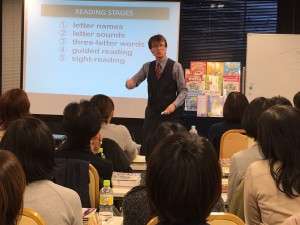
Thank you for your patience with the venue’s cramped conditions.
Thank you for your patience with occasional technical difficulties.
Thank you for your patience with my battle to stay properly time-managed!
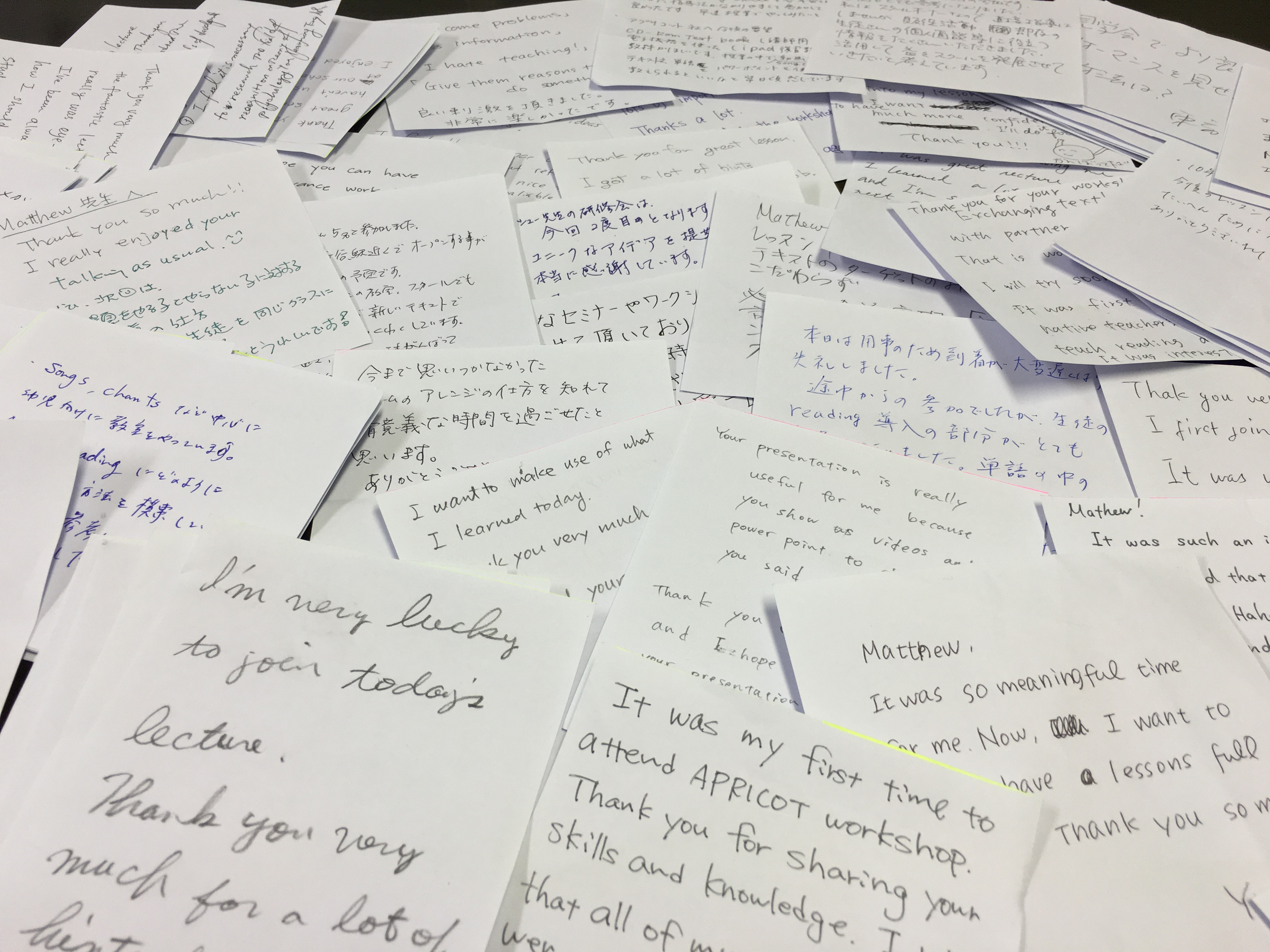
Thank you for your written feedback. It means a lot to me, and APRICOT too of course. It lets us know that if we are making a positive difference for you and your students or not. Essentially, that’s what we want the Workshops to do. That’s what the Workshops need to do. Please know that the Learning World Workshops are YOUR workshops. Not one single Workshop will always satisfy everybody’s needs, as everybody’s teaching situations can differ widely. But your input in the form of inquiries to APRICOT is useful and welcome! Your inquiries help APRICOT understand where your concerns are, and these form the basis for Workshops.
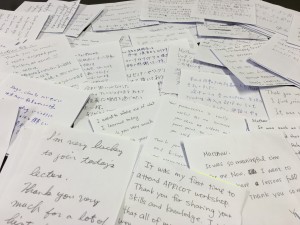
If you weren’t able to join this year’s Learning World Workshops, please join us next year! Whether I’m presenting again or not next year, I hope to see everybody there!!
Thank you again!

Good days, not so good days. Rewarding moments, awful moments.
Successful classroom activities, disastrous classroom activities.
We have experienced all of them, and will no doubt experience many more.
On reflection however, in my case it would seem that the positivity of this work far outweighs the negativity. If it didn’t, it’s unlikely that I would still be here 20 years after I gave my very first English lesson still doing and enjoying what I do.
And here’s another first: my very first entry in my very first blog.
It was quite recently suggested to me that I start a blog, the reason being that my classroom experiences, both positive and negative, may be helpful to other teachers. The workshops and seminars I have conducted in the past have all been based on my classroom experiences, and have apparently been useful to other teachers, so a blog can serve a similar purpose: teacher-development – that’s ongoing.
I decided to name the blog “Please get what you need” because I use this English with my students most lessons. Hopefully you too can “get what you need” from reading my blog entries.
It’s a new challenge for me, and one that I am committed to continuing.
Being entirely new to this, I wasn’t aware that readers’ comments can’t be left on blog entries! What a shame! I would love occasional feedback and questions! Please feel welcome however to reach me through the APRICOT e-mail address.
Classroom, here I come!